
What is the role of Organic Farming in environment conservation? Can organic farming address the ill effects of conventional agriculture practices? Can organic farming provide a hopeful answer to the problem of declining biodiversity?
These are some of the telling questions bothering policymakers, environmentalists, and the agriculture community worldwide. As we stand at the crossroads of environmental challenges, the urgency to embrace sustainable practices has never been more apparent. Global land degradation and biodiversity loss are ringing alarm bells, with over 1,000,000 species under threat.
Who is the perpetrator? As underlined by the UN Special Rapporteur on the Right to Food, intensive farming methods are deployed in conventional agriculture. Pesticide overuse and misuse not only damage soil and water supplies but also result in severe biodiversity loss, disturbing the delicate balance of our ecosystems.
However, there is a solution: organic agriculture. Organic farming emerges as a biodiversity champion, supported by a strong body of evidence. A report titled ‘Organic Agriculture and the Sustainable Development Goals’ digs into the benefits of organic agriculture on pollinators, insects, birdlife, and flora diversity. It demonstrates how adopting organic techniques can be a game changer in creating a healthier and more balanced ecology.
Role of organic Farming in environment conservation
Biodiversity, on the other hand, is more than what meets the eye; it is also about what lies beneath our feet. The soil, which accounts for 25% of biodiversity, is threatened by intensive crop production. Organic farming is recognized as a crucial participant in the fight against soil depletion by the United Nations Food and Agricultural Organization. Organic farming becomes a beacon of hope for soil health by supporting methods such as crop rotation, intercropping, and the use of organic fertilizers.
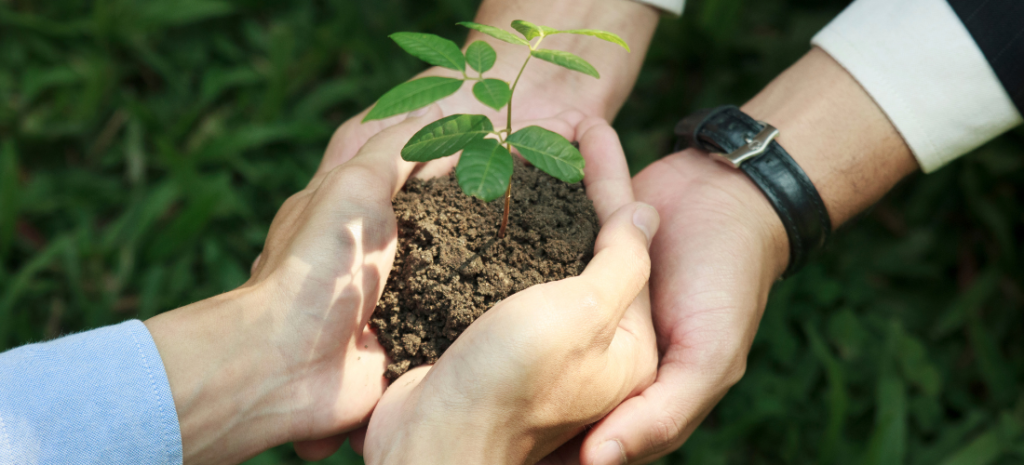
Let’s delve into the role of organic farming in environmental conservation, paving the way for a sustainable and conservation-centric future:
- Sustainability Over the Long Term: Organic agriculture takes a proactive approach, considering the medium- and long-term effects of interventions on the agroecosystem. It aims not only to produce food but also to establish an ecological balance, preventing soil fertility and pest problems.
- Soil Health: Practices like crop rotations, inter-cropping, and minimal tillage are central to organic farming, enhancing soil formation, structure, and stability. This not only improves nutrient and energy cycling but also plays a crucial role in soil erosion control, increasing soil biodiversity and productivity.
- Water Conservation: With synthetic fertilizers and pesticides causing groundwater pollution in many agricultural areas, organic farming becomes a sustainable solution. By utilizing organic fertilizers and promoting biodiversity, well-managed organic systems significantly reduce the risk of groundwater pollution.
- Air and Climate Change Mitigation: Organic agriculture reduces non-renewable energy use by decreasing agrochemical needs. Moreover, it contributes to mitigating the greenhouse effect and global warming by sequestering carbon in the soil. Studies indicate higher soil organic carbon contents under organic farming, showcasing its potential in climate change mitigation.
- Biodiversity Conservation: Organic farmers act as custodians and users of biodiversity at all levels – from gene to ecosystem. By preserving traditional seeds and breeds, optimizing nutrient cycling, and creating wildlife-friendly habitats, organic agriculture becomes a sanctuary for diverse plant and animal species.
- GMO-Free Zone: Organic agriculture excludes genetically modified organisms (GMOs), aligning with a precautionary approach to encourage natural biodiversity. This ensures that organic products remain free from intentional GMO use.
- Ecological Services: The impact of organic agriculture extends beyond the farm, favoring interactions vital for agricultural production and nature conservation. Services such as soil conditioning, waste recycling, carbon sequestration, predation, pollination, and habitat creation contribute to a more balanced and sustainable ecosystem.
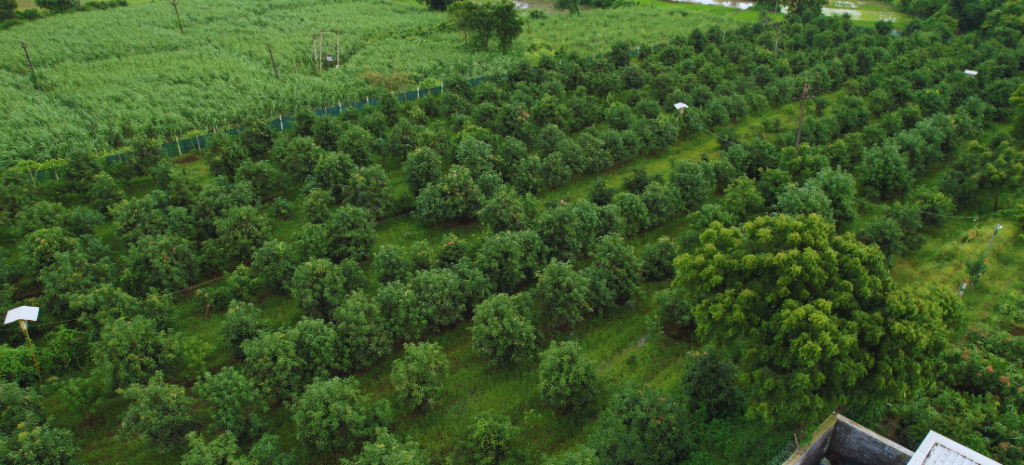
Conclusion:
As we navigate the challenges of land degradation and biodiversity loss, organic farming stands tall as a beacon of hope. Therefore, the role of organic farming in environmental conservation is certainly huge. Sapagro, as a pioneering training institute in organic farming, is at the forefront of cultivating a greener tomorrow. is sowing the seeds of environmental sustainability and conservation by imparting knowledge and expertise in organic practices, one farmer at a time.
As the founder of Sapagro, Mr. Sachin Palkar, a Horticulture Postgraduate specializing in Fruit and Vegetable cultivation, brings over 16 years of hands-on expertise in organic farming. Endorsed by organic farmers, processors, traders, government institutions, and Agricultural Universities, Mr. Palkar champions best practices, including crop rotation, composting, and biological pest control. His practical training initiatives empower farmers with effective organic techniques, steering away from synthetic fertilizers and pesticides for sustainable cultivation.
Sapagro boasts an impressive track record, having provided training in organic farming to over 20,000 farmers and converting an additional 10,000 acres of land to organic cultivation.

Unlock the secrets of organic farming with us and turn your learning into revenue. Join Sapagro in this journey towards a harmonious coexistence with nature, where every harvest is a celebration of life and biodiversity.