
For decades, farmers were taught one formula — “use more chemicals, get more production.” But today, the reality is changing. Rising input costs, damaged soil, unpredictable climate, low profits, and health concerns are forcing farmers to rethink agriculture.
This is where organic farming training is creating a silent revolution.
A good organic farming training program does not just teach compost or pesticides. It completely changes the mindset of a farmer — from dependency to self-reliance, from quantity to quality, and from survival to sustainable profit.
Across India, more farmers are now exploring organic and natural farming due to health awareness, soil degradation, and market demand for chemical-free food.
Why Farmers Need Training More Than Ever
Today’s farmer is facing multiple crises at the same time:
- Increasing fertilizer and pesticide costs
- Lower soil fertility and water retention
- Climate change and irregular rainfall
- Labour shortage in villages
- Market price fluctuations
- Fake “organic” marketing competition
- Lack of proper buyers and branding knowledge
- Confusion between organic, natural, residue-free, and chemical-free farming
Many farmers want to shift to organic farming, but they do not know:
- Where to start
- Which crops to select
- How to maintain yield
- How to control pests naturally and modern techniques
- How to sell products at premium prices
Research studies in India show that lack of training, technical support, and market linkage are among the biggest barriers stopping farmers from adopting organic farming successfully.
How Organic Farming Training Changes Farmer Thinking
1. Farmers Stop Depending Fully on Companies
Traditional farming made many farmers dependent on:
- Chemical companies
- Hybrid seeds
- Dealers
- Credit cycles
Organic farming training teaches farmers:
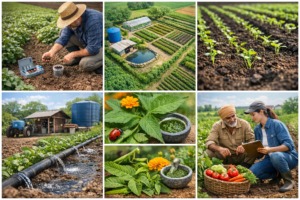
- How to make bio-inputs
- Compost preparation
- Jeevamrut and microbial culture
- Seed saving
2. Farmers Begin Understanding Soil as a Living System
Earlier, many farmers focused only on yield.
After training, they begin understanding:
- Soil biology
- Organic Carbon content
- Microorganisms
- Moisture retention
- Long-term soil health
Organic farming training changes the thinking from:
“Feed the crop”
to
“Feed the soil.”
This is the foundation of sustainable agriculture.
3. Farmers Learn Business Thinking
The biggest transformation happens when training teaches:
- Value addition
- Direct marketing
- Packaging
- Farm visits
- Organic certification
Then the farmer no longer thinks like only a producer.
He starts thinking like an entrepreneur.
Indian agribusiness communities also highlight that farmers who focus on value addition and direct selling become “price makers” instead of “price takers.”
Current Situation: Problems Organic Farmers Face Today
Lack of Practical Training
Many training programs are only theoretical.
Farmers need:
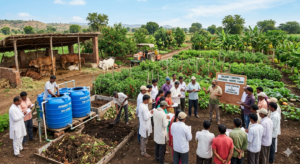
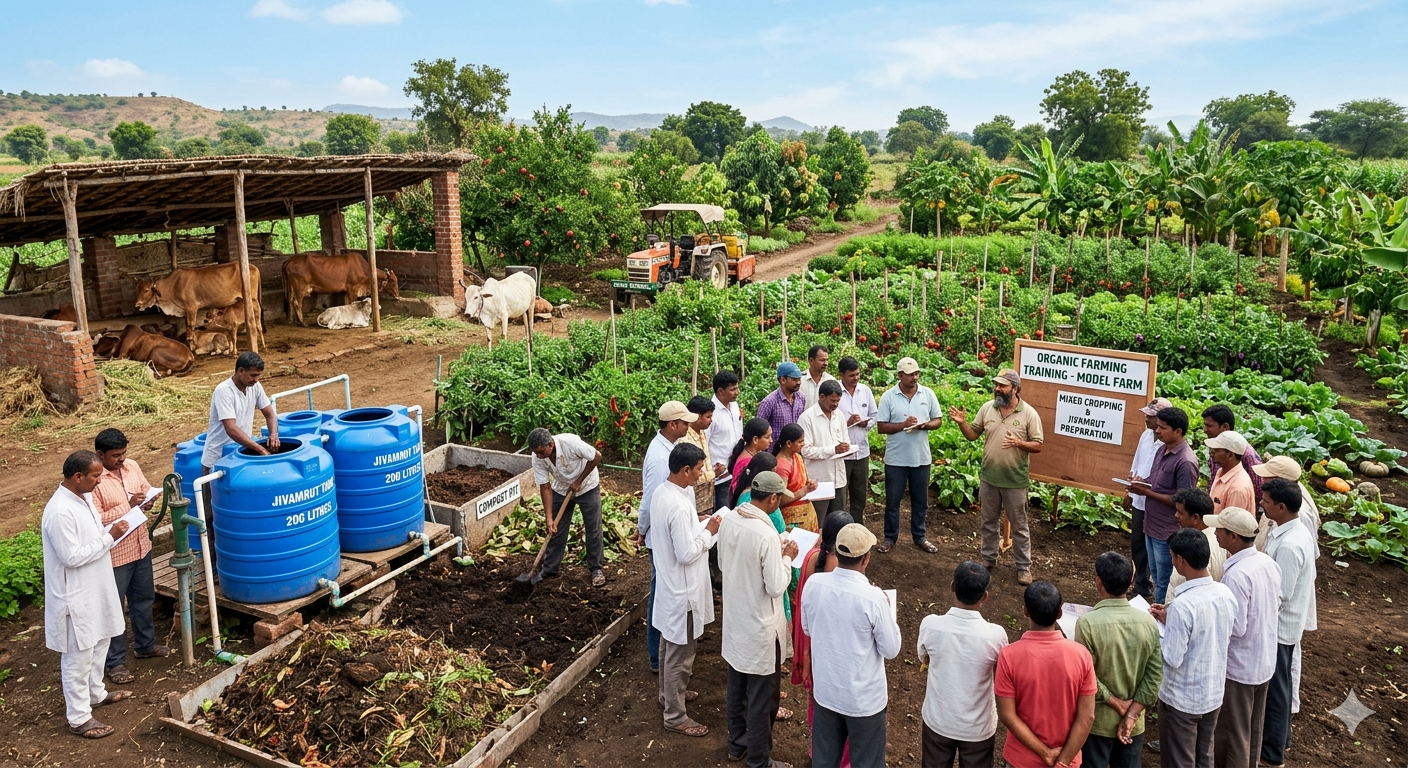
- Live farm demonstrations
- Real field exposure
- Market-oriented guidance
- Pest management practical
- Income models
Without practical training, many farmers quit organic farming midway.
Fear of Yield Reduction
During transition years, yields may temporarily reduce.
Studies in Punjab and other regions show farmers hesitate because of:
- Initial production drops
- Labour requirements
- Weed management challenges
- Market uncertainty
This is why proper mentoring is critical.
Certification Confusion
Many farmers are confused about:
- NPOP
- PGS
- Export certification
At the same time, fake organic marketing damages trust in the market. Discussions online show consumers and even genuine farmers worry about misuse of “organic” labels.
Training must include:
- Certification awareness
- Transparency
- Consumer trust building
Marketing Is Still the Biggest Challenge
Most farmers know how to grow crops.
Today’s successful organic farmer understands:
- Social media marketing
- WhatsApp customer groups
- Online sales
The New Generation Farmer is Different
Modern trained farmers are:
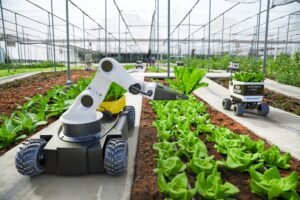
- Using drip automation
- Learning AI-based crop records
- Creating farm brands
- Starting agro tourism
Technology and training together are shaping a smarter farming generation.
Why Organic Farming Training Is the Future
Organic farming is no longer just a “traditional practice.”
It is becoming:
- A health movement
- A business opportunity
- A climate solution
- A rural employment generator
- A sustainable lifestyle model
Demand for organic products in India is growing rapidly due to increasing health awareness and consumer preference for chemical-free food.
Farmers who receive proper training are more likely to:
- Earn premium prices
- Reduce input costs
- Improve soil health
- Build long-term farm sustainability
Conclusion:
Organic farming training is not just about farming methods.
It changes:
- Thinking
- Decision-making
- Financial planning
- Market understanding
- Lifestyle
- Future generations
The farmer of the future will not survive only by producing crops.
The future belongs to trained farmers who understand:
- Soil
- Science
- Technology
- Sustainable business models
Because in 2026, farming is no longer only agriculture.
It is knowledge + sustainability + entrepreneurship.
Step by step organic farming training is the bridge connecting all three. We are here SAP Agro Services, Organic Farming Trainer and Consultant ,one stop solution for organic farming training, certification and organic farm consultancy. More details contact us on email with all your scope of work. Our team reach shortly by email reply.